
Eye & Oculoplastic Surgery
Squint
Assessment of misaligned eyes (squint) and discussion of treatment options.
Consult Dr. Raman Mittal ↗
View before & after photos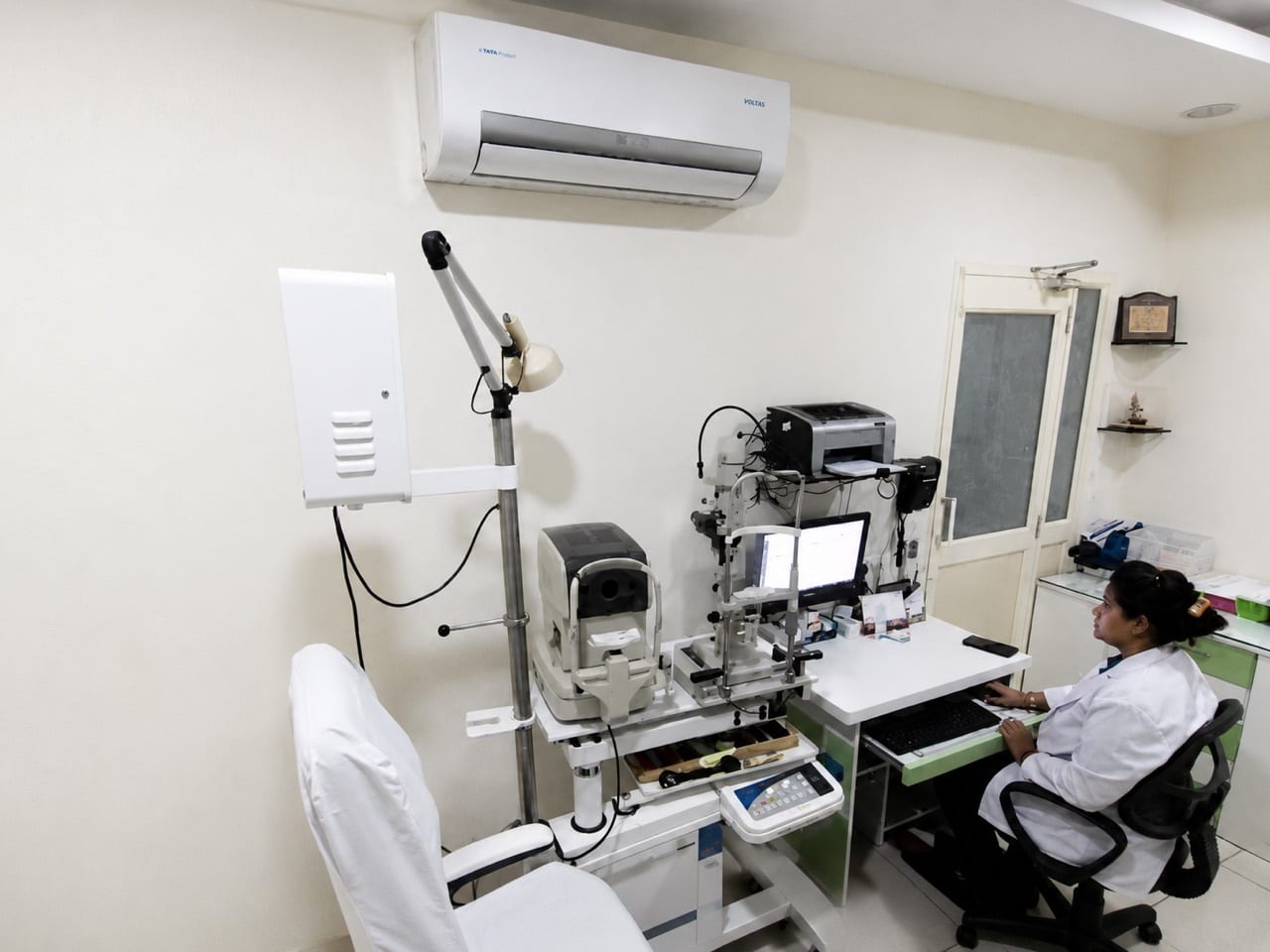 Illustrative image · not a patient result
Overview
About Squint
In a squint the eyes do not point in the same direction. The cause and its effect on vision are assessed before treatment is discussed.
When to see a specialist
- 01Eyes that look misaligned
- 02Double vision
- 03A referral for eye assessment
Whether treatment is suitable can only be decided after a consultation and examination.

Your doctor
Dr. Raman Mittal
Ophthalmology • Oculoplastic Surgery
- MBBS
- DNB – Ophthalmology
- Fellowship in Oculoplasty
Ophthalmologist and oculoplastic surgeon. He treats problems of the eyelids, tear ducts, orbit and eye socket, including cosmetic and reconstructive surgery around the eye.
Your consultation
What happens at the consultation.
At the first visit the doctor listens to your concern, takes a medical history and examines you. Not everyone who comes for a consultation needs a procedure.
Treatment planning
How the plan is decided.
Treatment depends on the type and cause of the squint, your vision and your symptoms.
- 01
Your anatomy
- 02
Examination findings
- 03
What you want to change
- 04
General health
In detail
Squint: what to know.
What a squint is
In a squint (strabismus), the eyes point in different directions: one may turn in, out, up or down, all the time or only at times.
- In children, it is often linked to long sight, short sight or astigmatism, and can run in families. Less often it has other causes, which is why every childhood squint should be examined.
- In adults, a new squint can follow diabetes, thyroid eye disease, myasthenia gravis, a stroke, a head injury or previous eye surgery. It often causes double vision.
- In children, the brain can learn to ignore the turned eye, leading to a lazy eye (amblyopia). Treatment works best when started early, ideally before about seven or eight years of age.
See a doctor if a child has a constant squint, if a baby over three months old has a squint that comes and goes, or if an adult develops a new squint or double vision.
Treatment options
- Glasses, which correct the focusing problem and can reduce or straighten some squints.
- Patching or eye drops to treat a lazy eye. This can take months.
- Prism glasses for mild double vision, and botulinum toxin injections, whose effect lasts a few months.
- Surgery on the eye muscles, when other treatment is not enough.
Squint surgery
- The muscles on the outside of the eye are moved or tightened and held with dissolvable stitches. The eye is never taken out.
- Usually done under general anaesthetic as a day case. Children always have a general anaesthetic.
- In some adults, adjustable stitches allow the final position to be fine-tuned after waking, using numbing drops.
- Surgery does not change the vision itself or the need for glasses.
Recovery
- Soreness usually lasts a few days. Redness can take up to three months to fade.
- Adults usually take one to two weeks off work; children usually return to school after about a week.
- Avoid swimming for about four weeks and contact sports for about six weeks.
Risks
Every operation carries some risk. Your doctor will go through the risks that apply to you before you decide.
- The eyes may end up slightly over- or under-corrected, or the squint may return later. Further surgery is sometimes needed.
- Double vision, which is usually temporary.
- Infection, cysts or scarring on the surface of the eye.
- Serious damage to the eye or vision is very rare.
General information, checked against published guidance (September 2026). It does not replace an individual consultation; your doctor will advise on your own case.
Sources: NHS: Squint · AAO: Strabismus · AAO: Amblyopia · Moorfields Eye Hospital NHS · Cambridge University Hospitals NHS
Before & After
Squint Results
Photographs of patients treated at I·PLAST, published with their consent. Results vary from patient to patient.
Squint
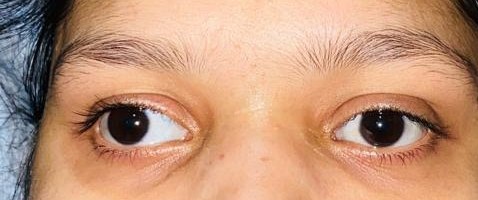
Before and after squint surgery.
Specialist: Dr. Raman Mittal
About this treatmentBefore
After
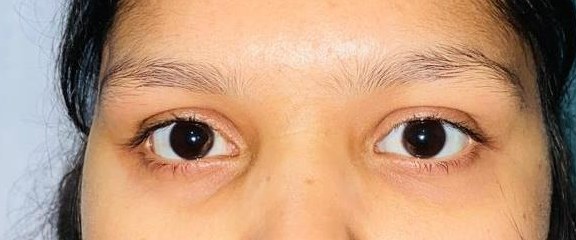
Results vary between patients. These photographs show individual cases and cannot predict the result for anyone else.
Considering this treatment?
Book a consultation to find out whether it is suitable for you.
What to expect
From first visit to follow-up.
- 01
Consultation
Tell the doctor what concerns you and ask your questions.
- 02
Examination & Planning
The doctor examines you and explains the options, including their limits.
- 03
Treatment
Carried out only if it is suitable for you and you decide to go ahead.
- 04
Follow-Up
Check-ups after treatment to review healing and any next steps.
FAQs
Common questions.
This can only be decided after a consultation and examination. The doctor will go through your concern, your medical history and the options available.
The doctor asks about your concern and medical history, examines you, and discusses what you hope to change and whether treatment is advisable.
Dr. Raman Mittal sees patients for this treatment at I·PLAST.
Yes. If treatment is planned, the doctor will explain aftercare, any activity restrictions and the follow-up visits you will need.
Not necessarily. Results depend on your anatomy, the examination findings, your general health and the procedure. Photographs of other patients show their results only.
Related care