
Plastic & Aesthetic Surgery
Breast Augmentation
Surgery to increase breast size or improve symmetry.
Consult Dr. Seema Mittal ↗
View before & after photos Illustrative image · not a patient result
Overview
About Breast Augmentation
Patients ask about breast augmentation because of breast size, proportion or a difference between the two sides. The first consultation is to discuss your concern and whether surgery is suitable.
When to see a specialist
- 01Questions about breast size or proportion
- 02A difference in size between the two sides
- 03Wanting to understand the options and their limitations
Whether treatment is suitable can only be decided after a consultation and examination.
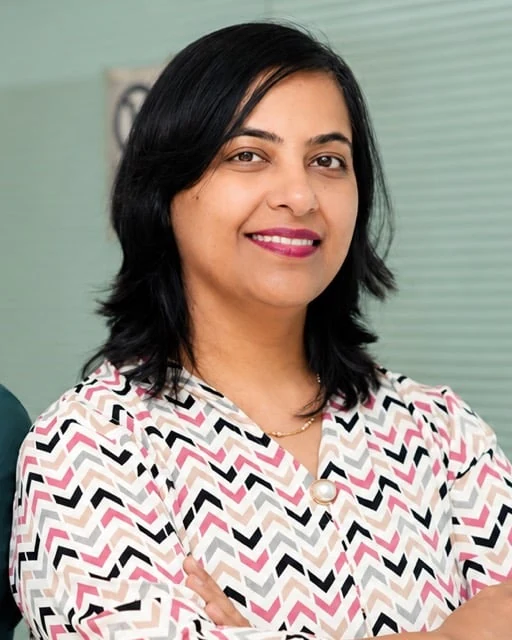
Your doctor
Dr. Seema Mittal
Plastic • Cosmetic • Reconstructive Surgery
- MBBS
- DNB – General Surgery
- DNB – Plastic Surgery
Plastic surgeon. She sees patients for cosmetic and reconstructive surgery of the face, breast and body, and for hair transplant.
Your consultation
What happens at the consultation.
At the first visit the doctor listens to your concern, takes a medical history and examines you. Not everyone who comes for a consultation needs a procedure.
Treatment planning
How the plan is decided.
Implant type and size are not decided in advance. They are discussed after the examination, based on your build and what you would like.
- 01
Your anatomy
- 02
Examination findings
- 03
What you want to change
- 04
General health
In detail
Breast augmentation: what to know.
What breast augmentation can and cannot do
Breast augmentation increases breast size, changes shape, or evens out a difference in size, usually with implants.
- It can improve mild sagging. More marked sagging needs a breast lift, at the same time or separately.
- An exact cup size cannot be promised, only an approximate range.
- Breast implants are not lifetime devices. Many people need further surgery at some point, often after around ten years or more.
Who it may suit
- Women in good health whose breasts have finished developing, who are not pregnant or breastfeeding.
- Stopping smoking at least six weeks before surgery lowers the risk of complications.
- It may be better to wait if you are planning a pregnancy or significant weight loss.
The operation
- Done under general anaesthetic and takes about an hour to an hour and a half. Some patients go home the same day, others stay one night.
- The cut is usually in the crease under the breast, sometimes around the areola or in the armpit.
- The implant is placed behind the breast tissue, behind the chest muscle, or partly behind both (dual plane). Your surgeon will recommend a position based on your build.
- Fat transfer uses your own fat, taken by liposuction, instead of an implant. It gives a smaller increase, and more than one session may be needed because some of the fat does not survive.
Recovery
- Most people take one to two weeks off work. Avoid driving for the first week.
- Avoid heavy lifting for at least a month. Full exercise is usually possible by about six weeks.
- A supportive or sports bra is worn for several weeks to months. The breasts sit high at first and settle into their final shape over three to four months.
Risks
Every operation carries some risk. Your doctor will go through the risks that apply to you before you decide.
- Hardening around the implant from scar tissue (capsular contracture), rupture or leakage, rippling or rotation of the implant.
- Changes in nipple sensation. Breastfeeding may still be possible, but milk supply can be reduced.
- Infection, bleeding and blood clots.
- A rare lymphoma linked mainly to textured implants (BIA-ALCL), and a set of symptoms some people report and call “breast implant illness”.
- Implants can hide part of the breast on a mammogram, so always tell the screening service that you have them.
General information, checked against published guidance (September 2026). It does not replace an individual consultation; your doctor will advise on your own case.
Sources: NHS: Breast enlargement · BAPRAS: Breast augmentation · BAAPS: Breast augmentation leaflet · NHS: Surgical fat transfer · American Society of Plastic Surgeons
Before & After
Breast Augmentation Results
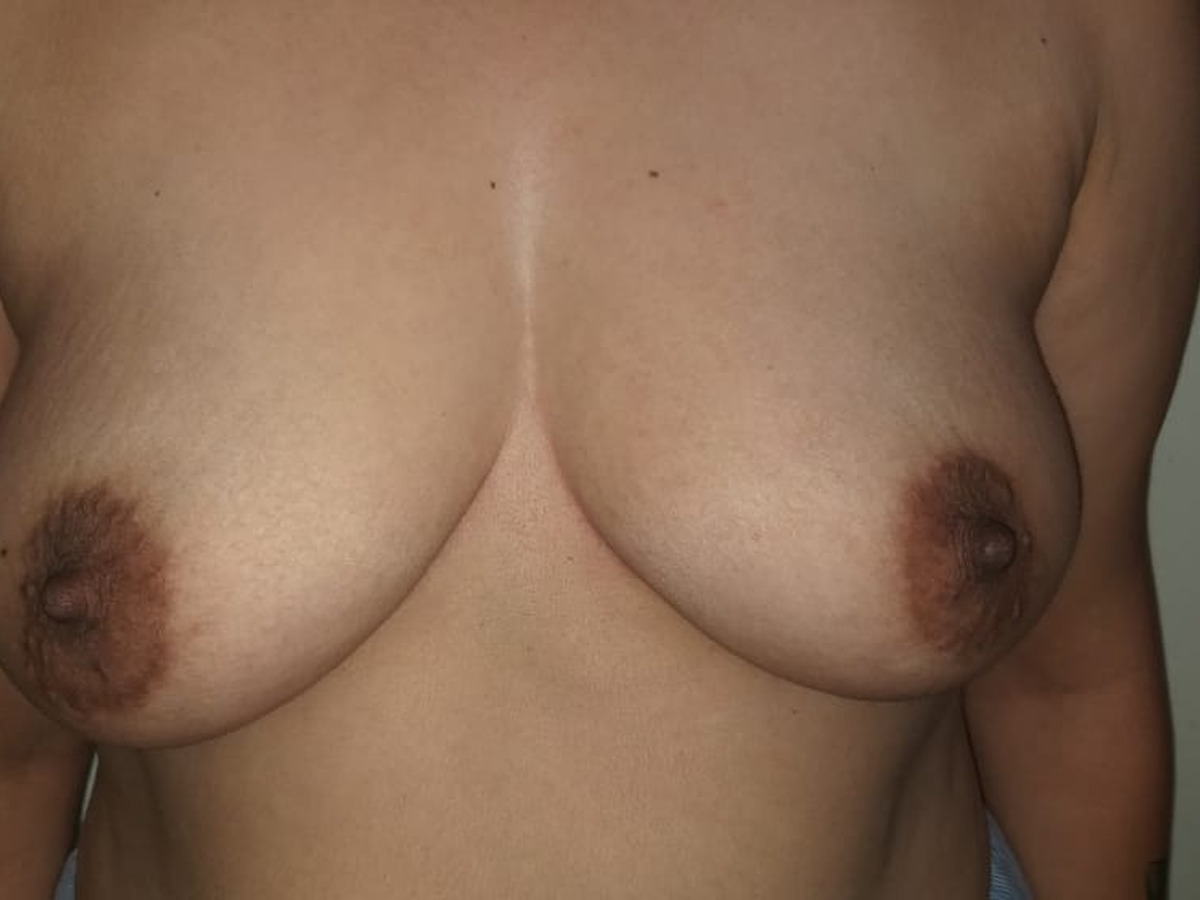
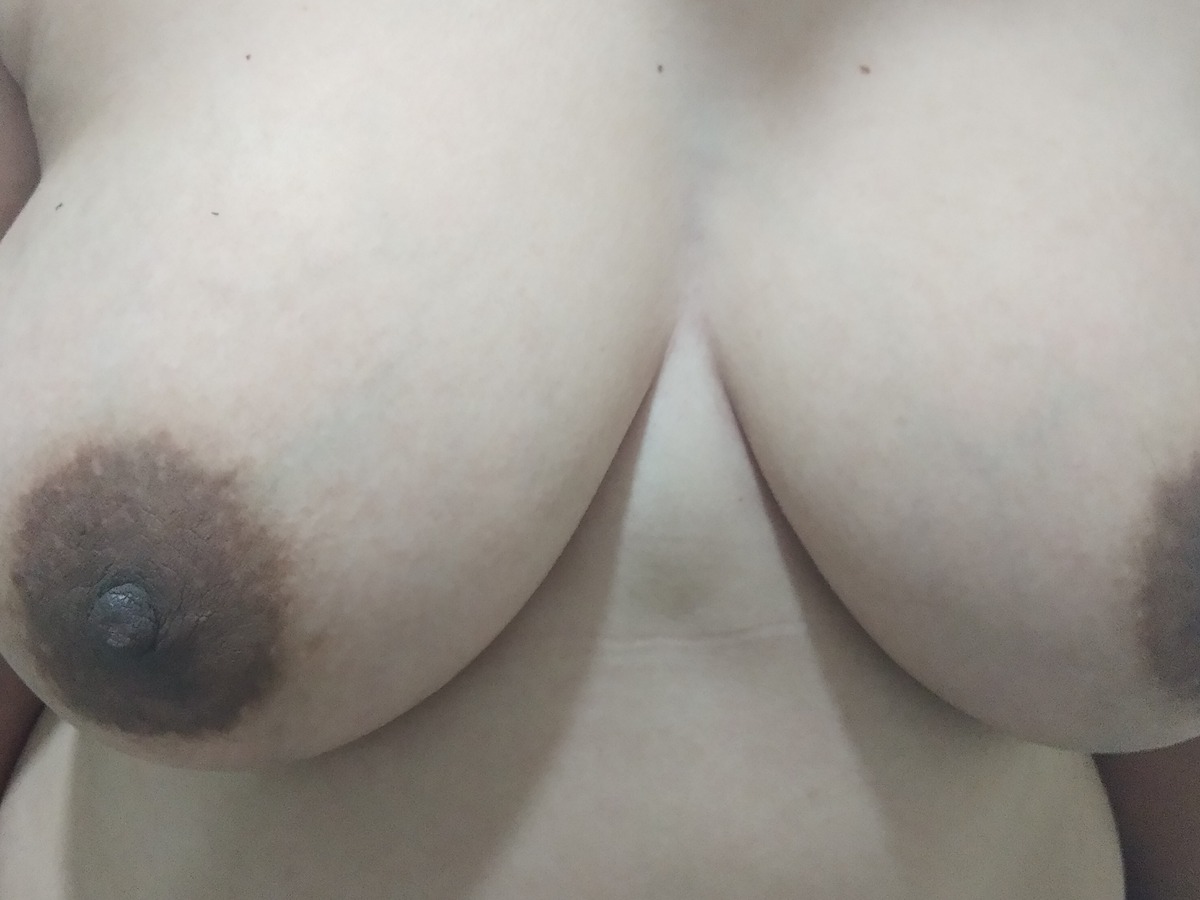
Photographs of patients treated at I·PLAST, published with their consent. Results vary from patient to patient.
Breast Augmentation
Before and after breast augmentation.
Specialist: Dr. Seema Mittal
About this treatmentBefore
After
Breast Augmentation
Before and after breast augmentation.
Specialist: Dr. Seema Mittal
About this treatmentBefore
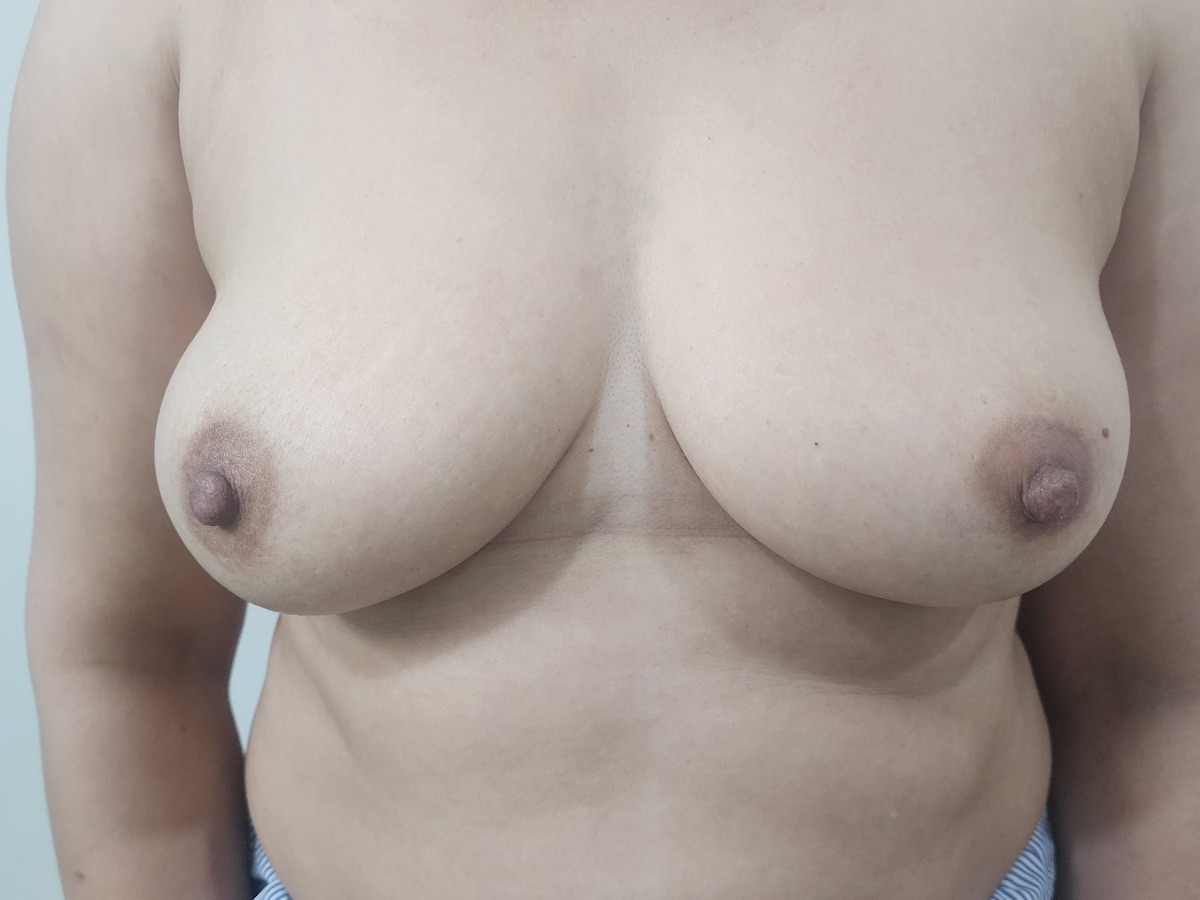
After

Breast Augmentation
Before and after breast augmentation.
Specialist: Dr. Seema Mittal
About this treatmentBefore
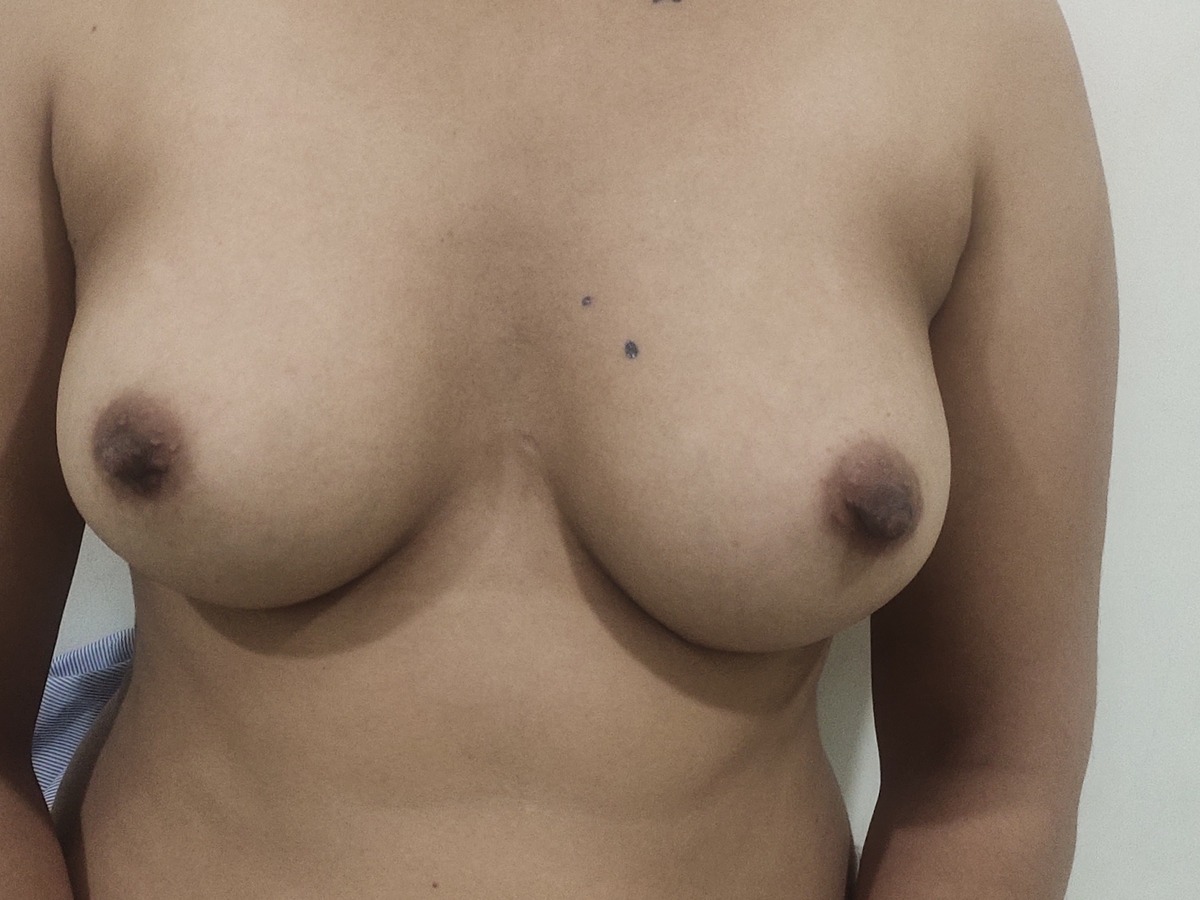
After
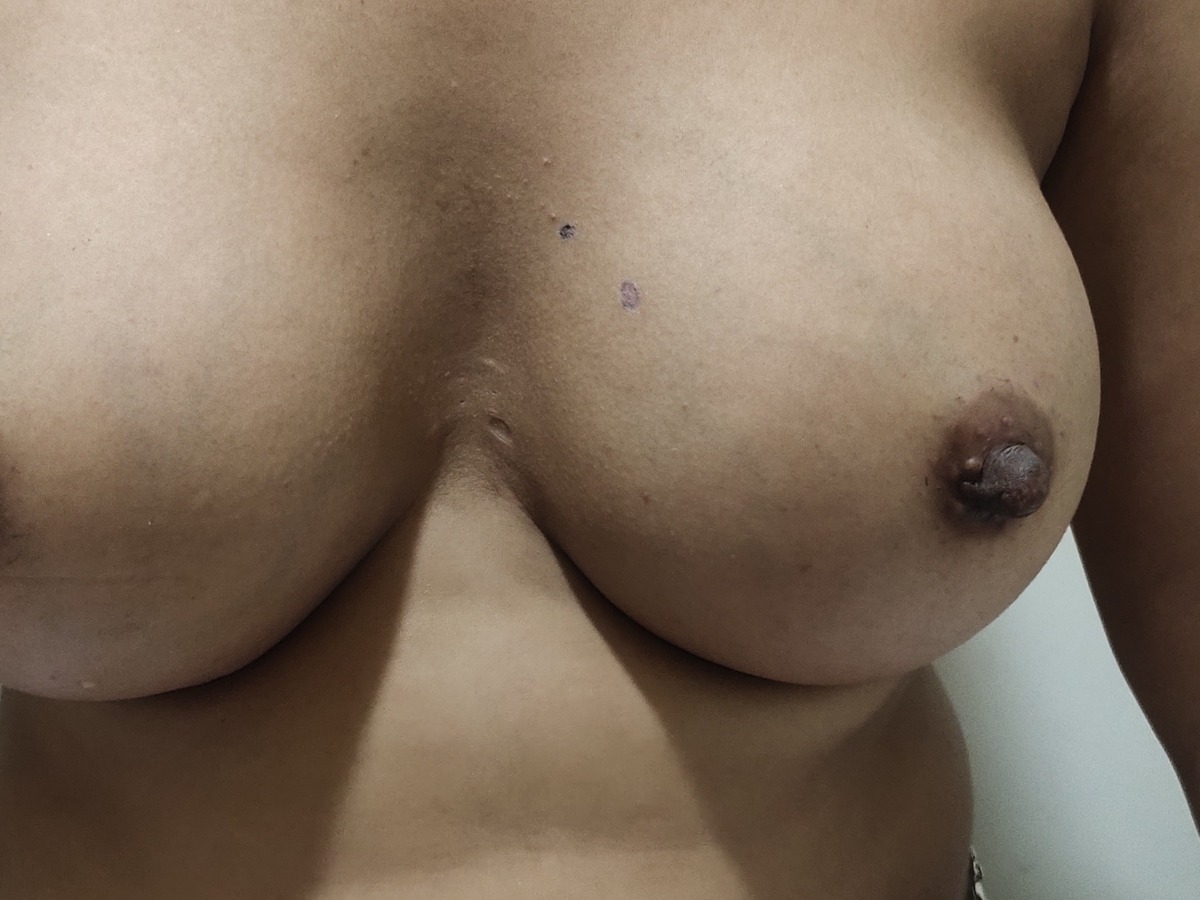
Results vary between patients. These photographs show individual cases and cannot predict the result for anyone else.
Considering this treatment?
Book a consultation to find out whether it is suitable for you.
What to expect
From first visit to follow-up.
- 01
Consultation
Tell the doctor what concerns you and ask your questions.
- 02
Examination & Planning
The doctor examines you and explains the options, including their limits.
- 03
Treatment
Carried out only if it is suitable for you and you decide to go ahead.
- 04
Follow-Up
Check-ups after treatment to review healing and any next steps.
FAQs
Common questions.
This can only be decided after a consultation and examination. The doctor will go through your concern, your medical history and the options available.
The doctor asks about your concern and medical history, examines you, and discusses what you hope to change and whether treatment is advisable.
Dr. Seema Mittal sees patients for this treatment at I·PLAST.
Yes. If treatment is planned, the doctor will explain aftercare, any activity restrictions and the follow-up visits you will need.
Not necessarily. Results depend on your anatomy, the examination findings, your general health and the procedure. Photographs of other patients show their results only.
Related care