
Plastic & Aesthetic Surgery
Face Lift
Surgery for loose skin and sagging of the face and jawline.
Consult Dr. Seema Mittal ↗
View before & after photos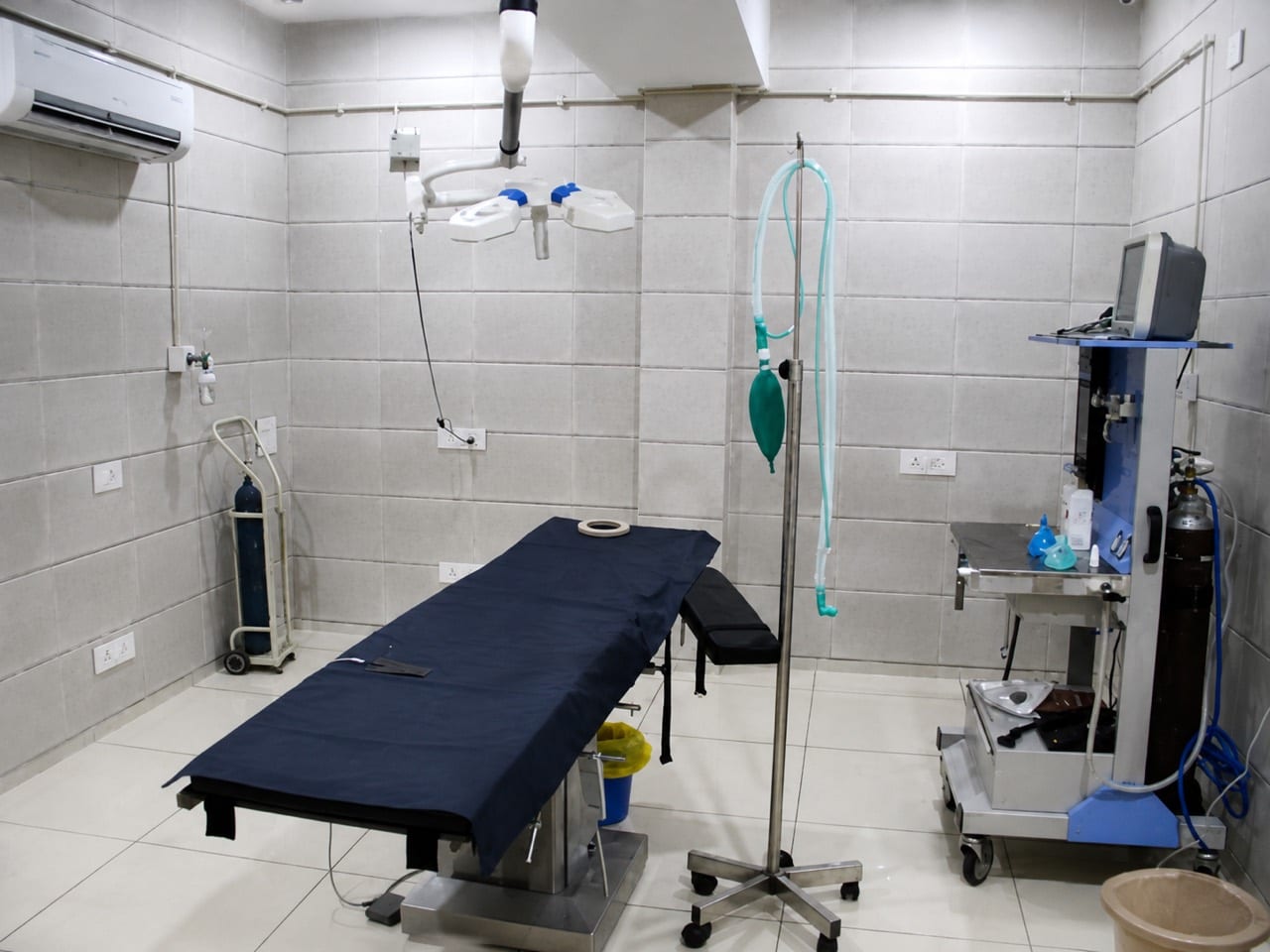 Illustrative image · not a patient result
Overview
About Face Lift
The face changes with age in different ways for different people. At the consultation the doctor looks at the areas that concern you and explains what a facelift can and cannot change.
When to see a specialist
- 01Sagging or loose skin of the face or jawline
- 02Questions about whether a facelift is suitable
- 03Wanting to know what a facelift can realistically change
Whether treatment is suitable can only be decided after a consultation and examination.

Your doctor
Dr. Seema Mittal
Plastic • Cosmetic • Reconstructive Surgery
- MBBS
- DNB – General Surgery
- DNB – Plastic Surgery
Plastic surgeon. She sees patients for cosmetic and reconstructive surgery of the face, breast and body, and for hair transplant.
Your consultation
What happens at the consultation.
At the first visit the doctor listens to your concern, takes a medical history and examines you. Not everyone who comes for a consultation needs a procedure.
Treatment planning
How the plan is decided.
The doctor examines the face, skin and underlying tissues and asks what you would like to change. The plan also depends on your general health.
- 01
Your anatomy
- 02
Examination findings
- 03
What you want to change
- 04
General health
In detail
Face lift: what to know.
What a face lift can and cannot do
A face lift (rhytidectomy) lifts and tightens the deeper tissues of the lower face and neck, and removes excess skin.
- It can improve sagging of the cheeks and jawline (jowls), deep folds between the nose and mouth, and loose skin of the neck.
- It does not change your basic appearance or stop ageing. The face continues to age after surgery.
- It does not treat the forehead or brows, which need a brow lift, or fine lines and skin texture, which may need skin treatments alongside it.
- A neck lift can be done on its own or together with a face lift.
Who it may suit
- People in good general health whose skin has started to sag but still has some elasticity. Most are in their 40s to 60s, although older patients can also be suitable.
- Non-smokers, or people willing to stop well before and after surgery.
- People with a clear idea of what they would like to change, and realistic expectations.
Diabetes, a high body weight, smoking, and previous surgery or radiotherapy to the face increase the risk of complications. If you are planning to lose weight or become pregnant, it may be better to wait.
The operation
- Usually under general anaesthetic, sometimes local anaesthetic with sedation. It takes about two to three hours, and many patients stay in hospital overnight.
- The cut usually starts in the hairline at the temple, runs in front of and around the ear, and ends in the scalp behind it. A small cut under the chin is sometimes added for the neck.
- The deeper supporting layer of the face (the SMAS) is repositioned, not just the skin. For the neck, the neck muscle may be tightened and some fat removed.
- Shorter-scar (“mini”) lifts are an option for people with only mild sagging.
Before surgery
- Stop smoking and all nicotine products at least six weeks before surgery, and do not restart while you heal.
- Tell your doctor about every medicine and supplement you take. Aspirin, anti-inflammatory painkillers and some herbal supplements increase bleeding and may need to be stopped.
- Arrange for someone to take you home and stay with you for the first night.
Recovery
- Keep your head raised on pillows for the first couple of days. Bandages, and sometimes small drains, are used at first.
- Bruising and swelling last at least two weeks. Stitches are removed after one to two weeks.
- Most people need two to four weeks before going back to work and normal social activities. Strenuous exercise is avoided for at least two weeks.
- Numbness of the cheeks and ears can take many months to settle, and the final result can take six to nine months to show.
- Scars fade but do not disappear. They are placed in the hairline and the natural folds around the ear, where they are less visible.
Risks
Every operation carries some risk. Your doctor will go through the risks that apply to you before you decide.
- Bruising, swelling, numbness and a feeling of tightness are expected and are usually temporary.
- A collection of blood under the skin (haematoma).
- Injury to the nerves that move the face, causing weakness that usually recovers but can occasionally be permanent.
- Hair loss near the scars, a change in the hairline, thick scars or slow wound healing.
- An uneven result, infection, blood clots and reactions to the anaesthetic.
General information, checked against published guidance (September 2026). It does not replace an individual consultation; your doctor will advise on your own case.
Sources: NHS: Facelift · American Society of Plastic Surgeons · BAAPS: Facelift and neck lift
Before & After
Face Lift Results
Photographs of patients treated at I·PLAST, published with their consent. Results vary from patient to patient.
Face Lift
Before and after face lift. The eyes are blurred for privacy.
Specialist: Dr. Seema Mittal
About this treatmentBefore
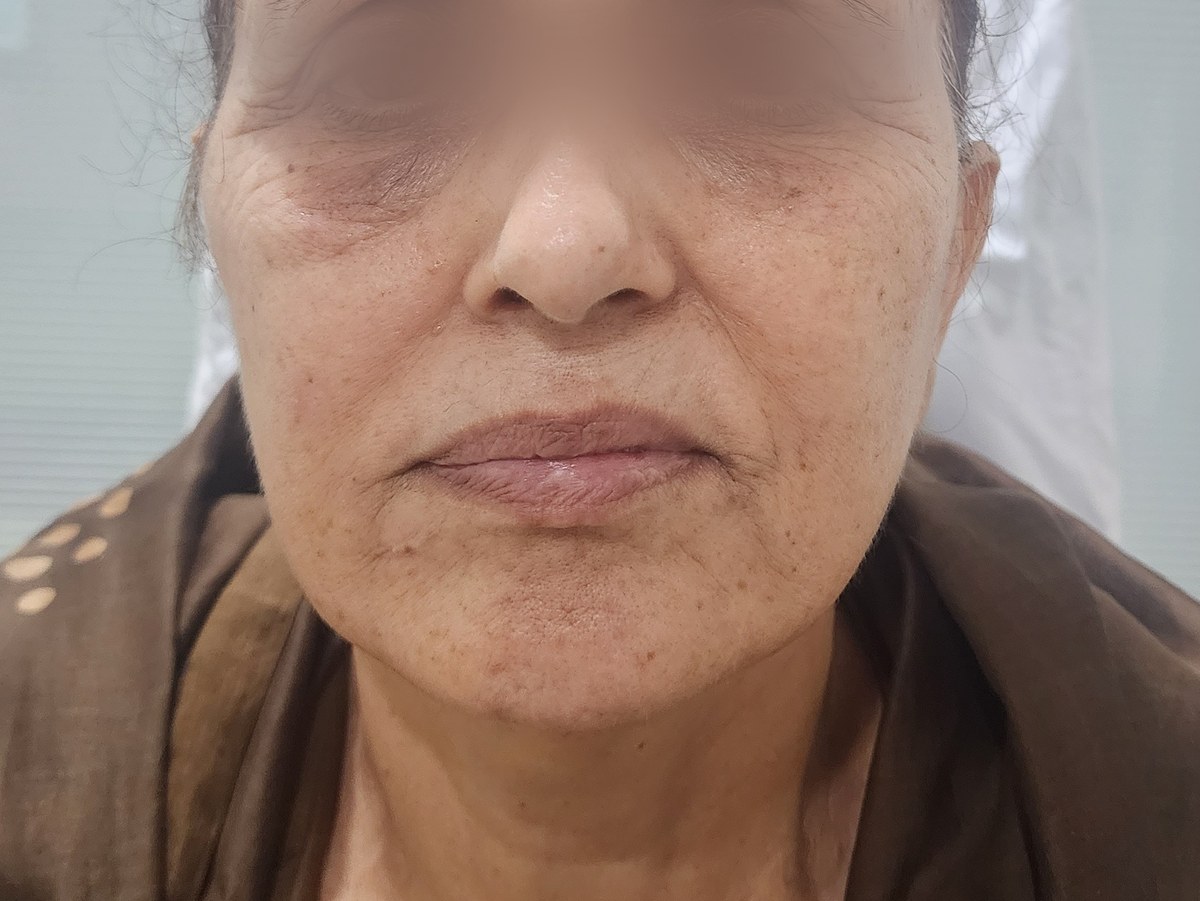
After

Results vary between patients. These photographs show individual cases and cannot predict the result for anyone else.
Considering this treatment?
Book a consultation to find out whether it is suitable for you.
What to expect
From first visit to follow-up.
- 01
Consultation
Tell the doctor what concerns you and ask your questions.
- 02
Examination & Planning
The doctor examines you and explains the options, including their limits.
- 03
Treatment
Carried out only if it is suitable for you and you decide to go ahead.
- 04
Follow-Up
Check-ups after treatment to review healing and any next steps.
FAQs
Common questions.
This can only be decided after a consultation and examination. The doctor will go through your concern, your medical history and the options available.
The doctor asks about your concern and medical history, examines you, and discusses what you hope to change and whether treatment is advisable.
Dr. Seema Mittal sees patients for this treatment at I·PLAST.
Yes. If treatment is planned, the doctor will explain aftercare, any activity restrictions and the follow-up visits you will need.
Not necessarily. Results depend on your anatomy, the examination findings, your general health and the procedure. Photographs of other patients show their results only.
A face lift does not stop ageing. The face keeps changing after surgery, so the effect gradually lessens over the years. How long it lasts varies from person to person.
Related care