
Eye & Oculoplastic Surgery
Orbital Floor Fracture
Assessment and repair of a fracture of the bone beneath the eye after a facial injury.
Consult Dr. Raman Mittal ↗
View before & after photos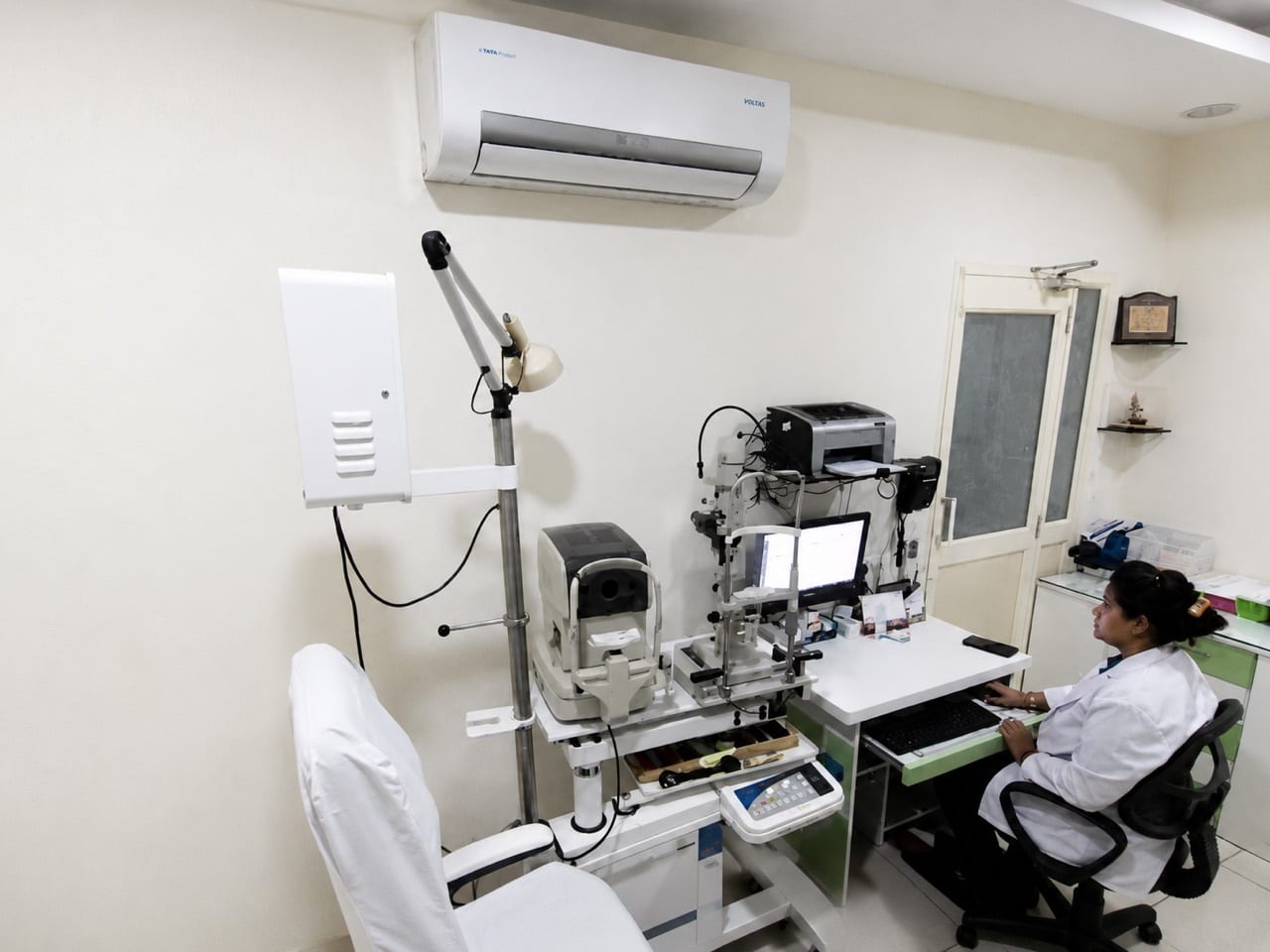 Illustrative image · not a patient result
Overview
About Orbital Floor Fracture
A fracture of the orbital floor can affect the position and movement of the eye. The doctor examines the eye and reviews the injury and any scans before deciding on management.
When to see a specialist
- 01A diagnosed or suspected orbital fracture
- 02Changes around the eye after a facial injury
- 03A referral for eye or oculoplastic assessment
Whether treatment is suitable can only be decided after a consultation and examination.

Your doctor
Dr. Raman Mittal
Ophthalmology • Oculoplastic Surgery
- MBBS
- DNB – Ophthalmology
- Fellowship in Oculoplasty
Ophthalmologist and oculoplastic surgeon. He treats problems of the eyelids, tear ducts, orbit and eye socket, including cosmetic and reconstructive surgery around the eye.
Your consultation
What happens at the consultation.
At the first visit the doctor listens to your concern, takes a medical history and examines you. Not everyone who comes for a consultation needs a procedure.
Treatment planning
How the plan is decided.
Management depends on the injury, the eye examination, your symptoms and the time since the injury.
- 01
Your anatomy
- 02
Examination findings
- 03
What you want to change
- 04
General health
In detail
Orbital floor fracture: what to know.
What happens in an orbital fracture
A blow to the eye or cheek can break the thin bone beneath the eye (the orbital floor) or the inner wall of the eye socket.
- Double vision, especially when looking up or down.
- Pain on moving the eye.
- Numbness of the cheek or upper lip on the injured side.
- The eye sinking back into the socket over the following days or weeks.
Any reduced vision after an injury needs a same-day eye examination. In children, a trapped eye muscle can cause pain, nausea, vomiting or a slow heart rate, and needs urgent surgery.
How it is assessed
- An eye examination: vision, eye movements, double vision and the position of the eye.
- A thin-slice CT scan of the orbits to show the fracture.
- Checks for other injury to the eye itself.
Treatment options
- Many fractures do not need surgery. Double vision often settles within two to three weeks as swelling goes down.
- Avoid blowing your nose for about four to six weeks after the injury.
- Surgery is urgent when an eye muscle is trapped. Otherwise, it is usually considered after about two weeks for double vision that does not improve, or a fracture large enough to make the eye sink back.
- Repair usually places an implant along the orbital floor, through the inside of the lower eyelid.
Recovery
- Swelling and bruising settle over a few weeks.
- The final result, including eye position and any remaining double vision, is judged over six to nine months.
Risks
Every operation carries some risk. Your doctor will go through the risks that apply to you before you decide.
- Double vision that continues after surgery.
- Infection, or the implant moving out of position.
- Numbness of the cheek.
- Rarely, loss of vision.
General information, checked against published guidance (September 2026). It does not replace an individual consultation; your doctor will advise on your own case.
Sources: EyeWiki (AAO): Orbital floor fractures · AAO: Orbital fracture
Before & After
Orbital Floor Fracture Results
Photographs of patients treated at I·PLAST, published with their consent. Results vary from patient to patient.
Orbital Floor Fracture
Before and after orbital floor fracture repair.
Specialist: Dr. Raman Mittal
About this treatmentBefore

After repair
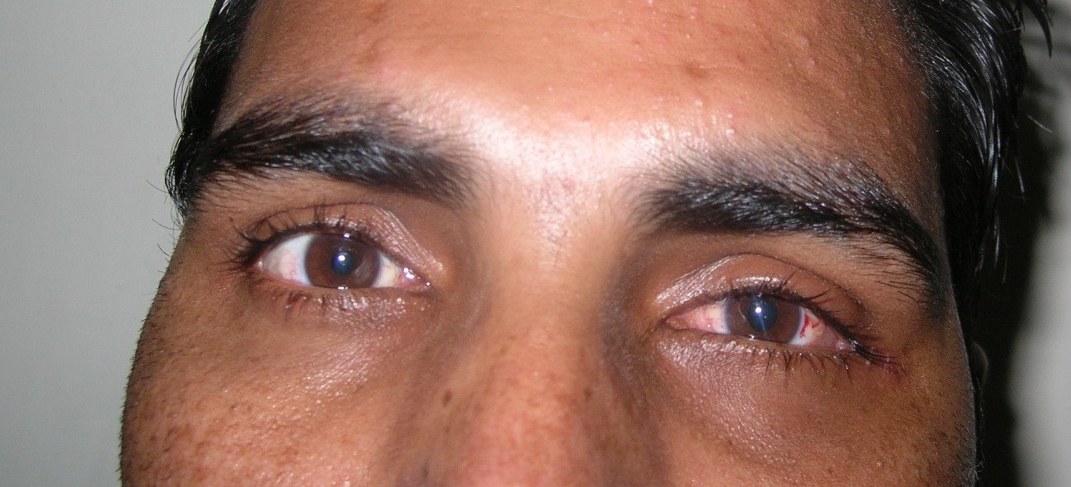
Results vary between patients. These photographs show individual cases and cannot predict the result for anyone else.
Considering this treatment?
Book a consultation to find out whether it is suitable for you.
What to expect
From first visit to follow-up.
- 01
Consultation
Tell the doctor what concerns you and ask your questions.
- 02
Examination & Planning
The doctor examines you and explains the options, including their limits.
- 03
Treatment
Carried out only if it is suitable for you and you decide to go ahead.
- 04
Follow-Up
Check-ups after treatment to review healing and any next steps.
FAQs
Common questions.
This can only be decided after a consultation and examination. The doctor will go through your concern, your medical history and the options available.
The doctor asks about your concern and medical history, examines you, and discusses what you hope to change and whether treatment is advisable.
Dr. Raman Mittal sees patients for this treatment at I·PLAST.
Yes. If treatment is planned, the doctor will explain aftercare, any activity restrictions and the follow-up visits you will need.
Not necessarily. Results depend on your anatomy, the examination findings, your general health and the procedure. Photographs of other patients show their results only.