
Eye & Oculoplastic Surgery
Facial Palsy / Eyelid Rehabilitation
Eyelid treatment for people with facial palsy who cannot close the eye fully.
Consult Dr. Raman Mittal ↗
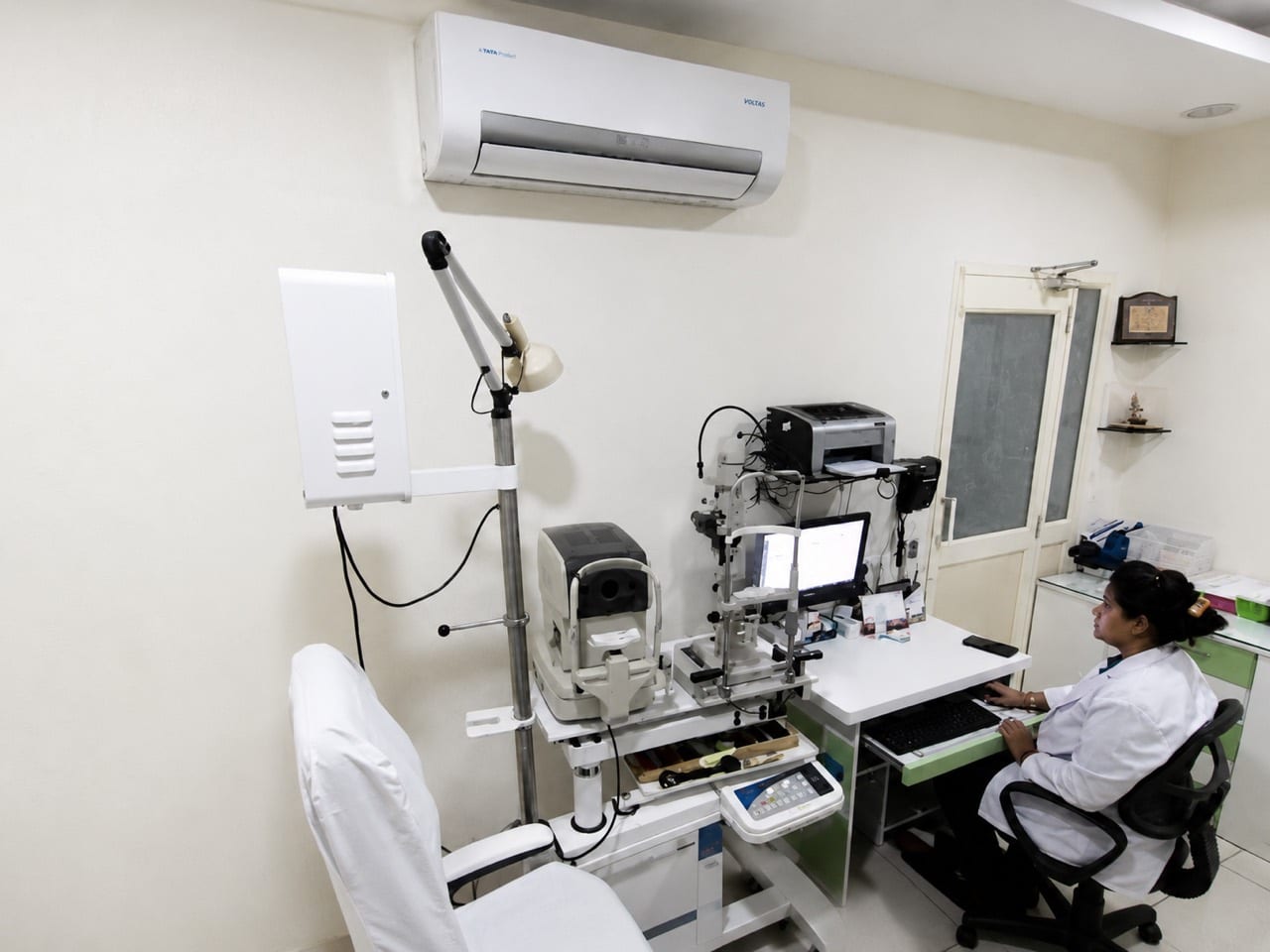 Illustrative image · not a patient result
Overview
About Facial Palsy Eyelid Care
Facial palsy can stop the eye from closing properly, which leaves the surface of the eye exposed. Protecting the eye comes first.
When to see a specialist
- 01Difficulty closing the eye
- 02Dryness, irritation or watering with facial weakness
- 03Questions about eyelid treatment options
Whether treatment is suitable can only be decided after a consultation and examination.

Your doctor
Dr. Raman Mittal
Ophthalmology • Oculoplastic Surgery
- MBBS
- DNB – Ophthalmology
- Fellowship in Oculoplasty
Ophthalmologist and oculoplastic surgeon. He treats problems of the eyelids, tear ducts, orbit and eye socket, including cosmetic and reconstructive surgery around the eye.
Your consultation
What happens at the consultation.
At the first visit the doctor listens to your concern, takes a medical history and examines you. Not everyone who comes for a consultation needs a procedure.
Treatment planning
How the plan is decided.
Treatment depends on how well the eye closes, the condition of the eye surface, facial movement and how long the palsy has been present.
- 01
Your anatomy
- 02
Examination findings
- 03
What you want to change
- 04
General health
Techniques
- Gold weight implantation in the upper eyelid is one option, where suitable.
In detail
Facial palsy and the eye: what to know.
Why the eye is at risk
The facial nerve controls blinking, eye closure and part of tear production. When it is weak, the eye may not close properly and can become dry and damaged.
- The lower lid can droop and the upper lid may not come down fully.
- You may not notice that the eye stays open during sleep, because the eye rolls upward. Another person, or a photograph, can check.
- Reduced feeling in the eye means that redness may be the only warning sign of a problem.
New weakness of the face needs an urgent medical assessment; some treatments work best when started within 72 hours. Sudden weakness with other stroke signs needs emergency care. Seek urgent eye care if the eye becomes red, painful or your vision changes.
Protecting the eye
- Frequent lubricating drops (preservative-free if used more than four times a day) and a thicker gel or ointment at night.
- Taping the eye closed at night, and wearing wraparound glasses or moisture-chamber goggles.
- Gently closing the eyelid with a finger, regularly through the day, if it does not close well.
- Botulinum toxin injected into the upper lid can close the eye temporarily, for about four to six weeks, to protect it.
Surgical options
Surgery is considered when the eye remains at risk, particularly when the nerve is unlikely to recover.
- Gold weight: a small weight placed in the upper eyelid helps it close, especially at night. Drops are still needed during the day. The weight is sized with stick-on weights beforehand.
- Lower-lid tightening (lateral tarsal strip), sometimes with a graft, to support a drooping lower lid.
- Partially stitching the outer corners of the eyelids together (tarsorrhaphy), temporarily or permanently. This makes the eye opening smaller.
- Other options include a brow lift and procedures at the inner corner of the eyelids.
The operation and recovery
- Eyelid weights are usually placed under local anaesthetic through a cut in the eyelid crease.
- Skin stitches are usually removed after about a week, with a review at two weeks.
Risks
Every operation carries some risk. Your doctor will go through the risks that apply to you before you decide.
- A weight can show as a small bump, or rarely work its way out, and may need removal or replacement.
- Bruising, infection, a drooping upper lid, or blurred vision from a change in the shape of the eye, which is reversible if the weight is removed.
General information, checked against published guidance (September 2026). It does not replace an individual consultation; your doctor will advise on your own case.
Sources: Facial Palsy UK: Eye care · University Hospital Southampton NHS · NHS: Bell’s palsy · EyeWiki (AAO): Facial nerve palsy
What to expect
From first visit to follow-up.
- 01
Consultation
Tell the doctor what concerns you and ask your questions.
- 02
Examination & Planning
The doctor examines you and explains the options, including their limits.
- 03
Treatment
Carried out only if it is suitable for you and you decide to go ahead.
- 04
Follow-Up
Check-ups after treatment to review healing and any next steps.
FAQs
Common questions.
This can only be decided after a consultation and examination. The doctor will go through your concern, your medical history and the options available.
The doctor asks about your concern and medical history, examines you, and discusses what you hope to change and whether treatment is advisable.
Dr. Raman Mittal sees patients for this treatment at I·PLAST.
Yes. If treatment is planned, the doctor will explain aftercare, any activity restrictions and the follow-up visits you will need.
Not necessarily. Results depend on your anatomy, the examination findings, your general health and the procedure. Photographs of other patients show their results only.