
Eye & Oculoplastic Surgery
Dermal Fillers
Hyaluronic acid fillers to restore lost volume, including under-eye hollows (tear troughs).
Consult Dr. Raman Mittal ↗
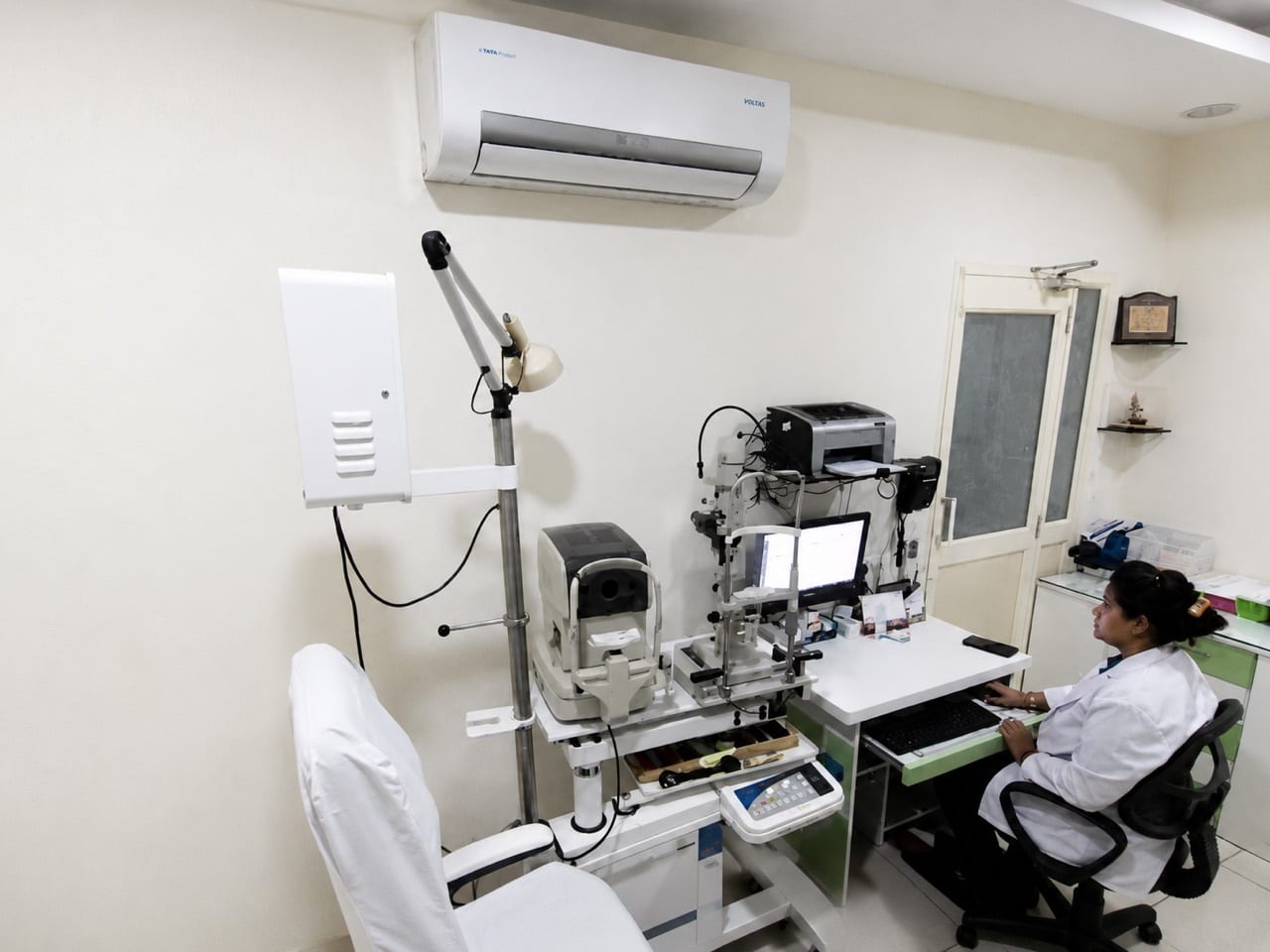 Illustrative image · not a patient result
Overview
About Dermal Fillers
Fillers are gels injected under the skin to restore volume. Hyaluronic acid fillers are the most common and can be dissolved if needed. Around the eyes, the skin is thin and the blood vessels are close, so fillers should only be given by a trained doctor.
When to see a specialist
- 01Hollows under the eyes (tear troughs)
- 02Loss of facial volume with age
- 03Questions about whether filler or surgery suits your concern
Whether treatment is suitable can only be decided after a consultation and examination.

Your doctor
Dr. Raman Mittal
Ophthalmology • Oculoplastic Surgery
- MBBS
- DNB – Ophthalmology
- Fellowship in Oculoplasty
Ophthalmologist and oculoplastic surgeon. He treats problems of the eyelids, tear ducts, orbit and eye socket, including cosmetic and reconstructive surgery around the eye.
Your consultation
What happens at the consultation.
At the first visit the doctor listens to your concern, takes a medical history and examines you. Not everyone who comes for a consultation needs a procedure.
Treatment planning
How the plan is decided.
The doctor examines the area and discusses whether filler, surgery or no treatment is the better option. Filler is not suitable for large under-eye bags or very thin skin.
- 01
Your anatomy
- 02
Examination findings
- 03
What you want to change
- 04
General health
In detail
Dermal fillers: what to know.
What fillers do
Dermal fillers are gels injected under the skin to restore lost volume. Hyaluronic acid fillers are the most widely used and can be dissolved with an enzyme (hyaluronidase) if needed.
- Under the eyes, filler can soften a hollow along the lower rim of the eye socket (tear trough).
- It is less suitable for large under-eye bags, very thin skin or existing puffiness, where surgery may be the better option.
The treatment
- A numbing cream is applied, and a session takes about 15 to 30 minutes.
- Small amounts are injected slowly, often with a blunt cannula, to reduce the risk of injecting into a blood vessel.
- Results usually last from several months to over a year, depending on the product and the area. Top-ups are then needed.
- Use ice for the first day or two and avoid strenuous exercise. Swelling and bruising usually settle within one to two weeks.
Risks
Most side effects are mild, but a serious complication, although rare, is possible.
- Redness, swelling, bruising and tenderness.
- Lumps, a bluish tint under thin skin, or long-lasting under-eye swelling.
- Rarely, filler enters a blood vessel. This can cause skin damage, a stroke or permanent loss of vision.
Sudden pain, blanching of the skin, a drooping eyelid or any change in vision during or after a filler injection is an emergency. For this reason fillers around the eyes should only be given by a trained doctor who can treat complications immediately.
General information, checked against published guidance (September 2026). It does not replace an individual consultation; your doctor will advise on your own case.
Sources: American Academy of Dermatology: Fillers · AAO EyeNet: Periocular filler safety · AAO EyeNet: Tear trough fillers · Moorfields Private: Under-eye filler risks
What to expect
From first visit to follow-up.
- 01
Consultation
Tell the doctor what concerns you and ask your questions.
- 02
Examination & Planning
The doctor examines you and explains the options, including their limits.
- 03
Treatment
Carried out only if it is suitable for you and you decide to go ahead.
- 04
Follow-Up
Check-ups after treatment to review healing and any next steps.
FAQs
Common questions.
This can only be decided after a consultation and examination. The doctor will go through your concern, your medical history and the options available.
The doctor asks about your concern and medical history, examines you, and discusses what you hope to change and whether treatment is advisable.
Dr. Raman Mittal sees patients for this treatment at I·PLAST.
Yes. If treatment is planned, the doctor will explain aftercare, any activity restrictions and the follow-up visits you will need.
Not necessarily. Results depend on your anatomy, the examination findings, your general health and the procedure. Photographs of other patients show their results only.